Vienna City Centre - the historic Innere Stadt - concentrates an unusually high density of corporate venues, government institutions, and international offices within one compact district. For business travelers, that means a hotel here isn't just a place to sleep: it directly determines how much time gets spent commuting versus meeting. These two business hotels in Vienna City Centre represent distinct approaches to the corporate stay, and choosing between them depends on your work rhythm, room size priorities, and what you need beyond a fast Wi-Fi connection.
What It's Like Staying in Vienna City Centre
Vienna City Centre (the 1st District, Innere Stadt) operates on a different rhythm than most European capitals. The entire district is walkable in under 30 minutes, which means a hotel here puts virtually every major institutional address - from the Austrian Parliament on the Ringstrasse to the Vienna State Opera - within reach on foot. The U-Bahn network radiates from Stephansplatz and Schwedenplatz, giving fast onward connections to the outer business districts and the Wien Hauptbahnhof rail hub. Crowd patterns are distinctly tourist-heavy during the day on Kärntner Strasse and around Stephansdom, but the streets quiet significantly by late evening, making the area more functional for work-focused stays than its daytime energy suggests. Hotels here carry a premium of around 40% over equivalent properties in neighboring districts like the 3rd or 4th, so the trade-off is always proximity versus value.
Pros:
- * Walking access to the Ringstrasse institutions, Hofburg, and the Vienna International Centre (via U-Bahn in under 20 minutes)
- * Direct U1 and U3 lines from Stephansplatz reduce taxi dependency during peak hours
- * High concentration of business restaurants and corporate dining options on Wollzeile, Schubertring, and the surrounding streets
Cons:
- * Daytime pedestrian congestion on Kärntner Strasse and near Stephansplatz slows street navigation during core business hours
- * Parking is severely restricted and expensive - driving to meetings within the district is rarely practical
- * Room sizes tend to be smaller than comparable-priced hotels outside the 1st District, a recurrent trade-off in historic city-centre buildings
Why Choose Business Hotels in Vienna City Centre
Business hotels in Vienna City Centre are specifically structured around the corporate travel cycle: early check-ins, express check-outs, reliable high-speed Wi-Fi, and in-house dining that doesn't require leaving the building after a late meeting. What distinguishes them from standard city-centre accommodation is the operational layer - 24-hour front desks, business centres with printing and meeting-room access, and fitness facilities calibrated for early-morning use before the day's schedule begins. Room rates in the Innere Stadt for business-category hotels average around €180 per night on standard weeknights, rising sharply during the Vienna Ball season (January-February) and major congress weeks. The trade-off in this district is spatial: rooms in historic Innere Stadt buildings rarely exceed 22-25 square metres in standard configurations, which suits solo business travelers but can feel restrictive for extended stays. Business hotels here typically outperform leisure hotels on connectivity and service speed, which is what corporate travelers consistently prioritize over room square footage.
Pros:
- * Business centres, express check-in/check-out, and 24-hour service eliminate the friction points that disrupt corporate schedules
- * In-house restaurant and bar options mean meal logistics don't require navigating the crowded tourist streets after long working days
- * Fitness centres available for use before or after meetings - a consistent priority for frequent business travelers
Cons:
- * Standard business hotel rooms in the 1st District are compact - not suited to travelers who need a working desk plus meeting space in the same room
- * The premium location pricing makes multi-night extended stays significantly more expensive than hotels near the U4 corridor or the Hauptbahnhof zone
- * Weekend and tourist-heavy periods can create lobby congestion and slower service at peak times
Practical Booking & Area Strategy
For business travelers, the most functional micro-location within Vienna City Centre is the corridor between Schwedenplatz and Stubentor - close enough to Stephansplatz for U-Bahn access (U1/U3), but a street or two removed from the densest tourist foot traffic on Kärntner Strasse. Streets like Wollzeile, Fleischmarkt, and Rotenturmstrasse offer this balance. Properties on or near the Ringstrasse itself benefit from proximity to the Kunsthistorisches Museum, the Burgtheater, and the Austrian Parliament, but face higher ambient noise from tram lines. Vienna's business travel calendar spikes hard in January and February (Ball season), March-May (spring conference cycle), and September-October (autumn congress season at the Austria Center Vienna and Messe Wien) - book at least 6 weeks ahead for these windows, as business-category rooms in the 1st District sell out before leisure properties in the same area. The Ring Tram (line 1 and 2) circuits the entire Ringstrasse and connects major cultural landmarks including the Vienna State Opera, the Kunsthistorisches Museum, and the Rathaus - useful for client entertainment evenings without requiring taxis. For airport transfers, the City Airport Train (CAT) runs from Wien Mitte/Landstrasse to Vienna International Airport in around 16 minutes, reachable from the City Centre in one U3 stop.
Best Value Stay
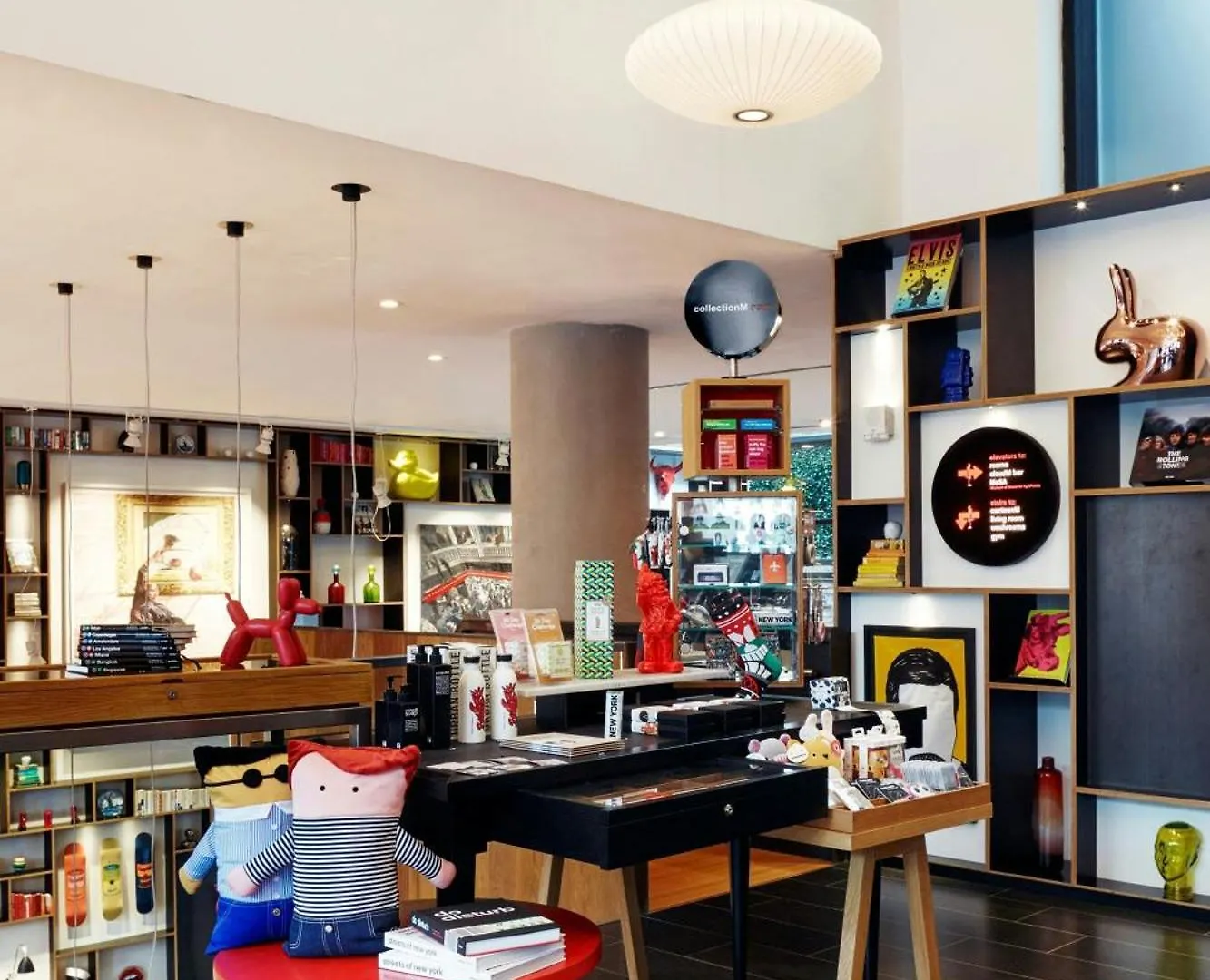
A compact, design-driven option that keeps operational needs front and center without charging for space you won't use on a short business trip.
-
1. Citizenm New York Bowery
Show on map


Just a few rooms left at the best rate!
fromUS$ 109
Best Premium Stay
A full-service business hotel with dedicated meeting infrastructure, live programming, and suite-level room configurations for longer or more demanding corporate visits.
-
2. Moxy Nyc Lower East Side
Show on map


Hurry – almost gone at this price!
fromUS$ 204
Smart Travel & Timing Advice for Vienna City Centre
Vienna City Centre runs on a clear seasonal cycle that directly affects both availability and price. January and February are the most disruptive months for business travel in the Innere Stadt: the Vienna Ball season fills business-category hotels weeks in advance and pushes nightly rates to their annual peak. The spring window from mid-March through May combines reasonable pricing with productive weather and a dense conference calendar - this is the most efficient booking window for first-time corporate visitors. Summer (July-August) brings maximum tourist crowds to Stephansplatz and the surrounding streets, but business hotel occupancy actually dips slightly as corporate travel slows, creating a rare window where last-minute rates in the 1st District become competitive. September and October are the most demanding months for advance planning: the autumn congress cycle at Messe Wien and the Austria Center Vienna fills the district's business hotels simultaneously with leisure travelers. A minimum stay of 3 nights is the practical threshold for making a City Centre business hotel rate worthwhile - shorter stays rarely justify the location premium over hotels near Wien Hauptbahnhof or the U4 corridor, which offer comparable transport access at lower nightly costs.