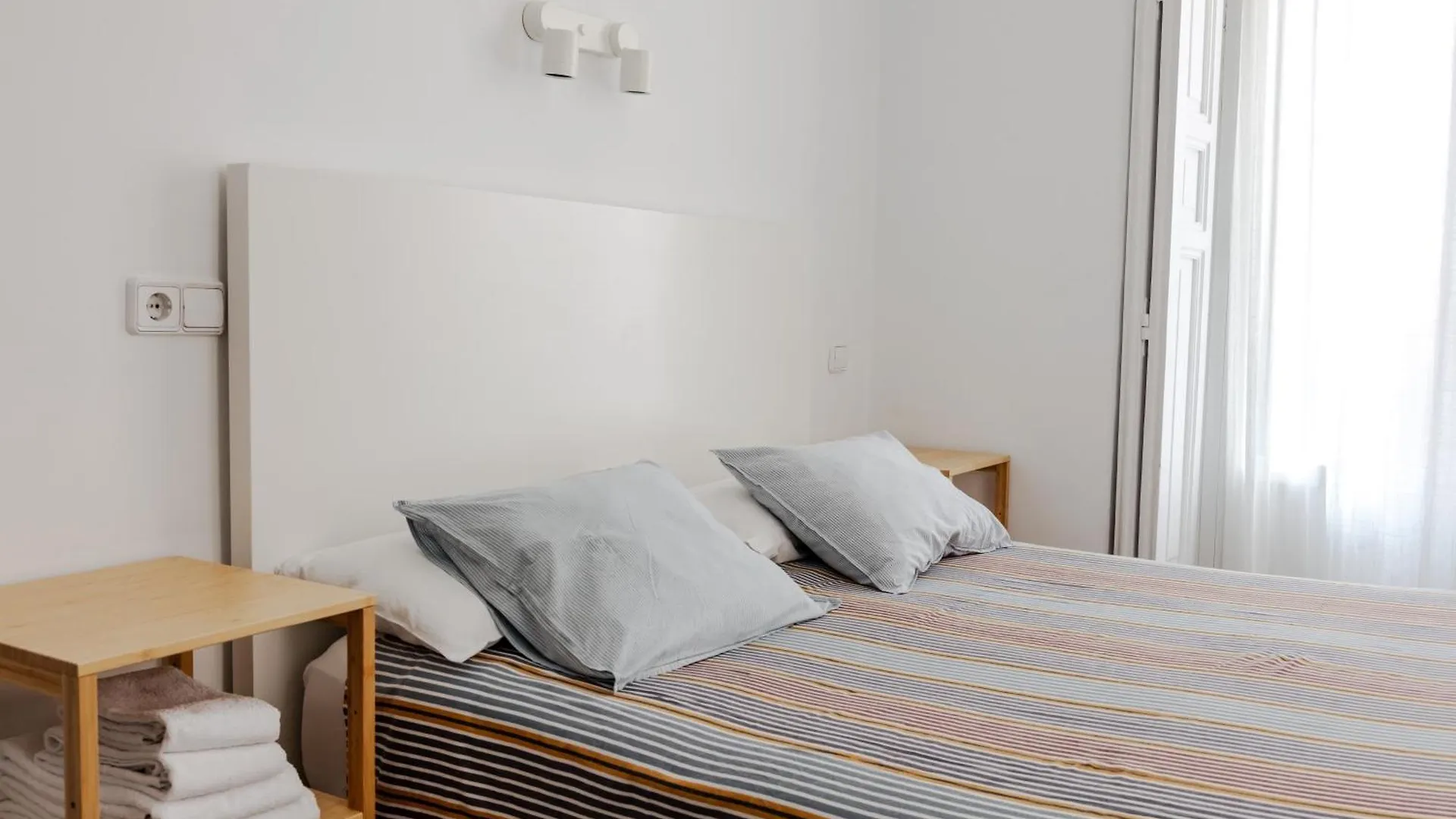
Malasaña sits directly north of Gran Vía, placing guests within a 10-minute walk of Puerta del Sol, Callao, and the Royal Palace - without the heavy tourist congestion of Sol itself. The 6 central hotels in this guide cover the corridor between Gran Vía and Malasaña's core streets, giving you a practical comparison of what each property actually delivers in this specific part of Madrid.
What It's Like Staying in Malasaña
Malasaña occupies the blocks just north of Gran Vía, meaning most hotels here place you within a flat, walkable 10 minutes of Callao metro and the main shopping axis. The neighborhood runs loud past midnight on weekends - Plaza del Dos de Mayo and Calle del Pez draw large street crowds until 3 a.m. - so room positioning and soundproofing matter more here than in quieter districts. By day, Calle Fuencarral and the Mercado de San Ildefonso keep the area active but manageable; foot traffic on the Gran Vía edge peaks around 7-10 p.m. and thins out further north toward Calle Espíritu Santo.
Pros:
- * Metro lines 1, 3, and 5 converge at Gran Vía station, reachable on foot in under 10 minutes from anywhere in the district
- * Walking access to Puerta del Sol, the Royal Palace, Chueca, and the Museo de la Historia de Madrid without needing transport
- * Dense concentration of independent bars, vintage shops, and local restaurants along Calle del Pez and Calle San Andrés
Cons:
- * Rooms facing Calle Fuencarral or streets near Plaza del Dos de Mayo experience street noise well into the early hours on weekends
- * No direct metro station inside Malasaña itself - Tribunal (line 10) is the closest, around 7 minutes on foot from the southern edge
- * The neighborhood skews young and nightlife-heavy; guests seeking a quiet residential atmosphere will find Chamberí or Retiro more suited to that
Why Choose Central Hotels in Malasaña
Central hotels in this zone typically land between 3-star and 4-star classification, with nightly rates running noticeably lower than equivalent properties on Paseo de la Castellana or Salamanca - often around 30% less for comparable room quality. Room sizes at Gran Vía-adjacent hotels tend to be compact, with standard doubles averaging around 18 square metres, so the trade-off for the central position is real. What differentiates this category from budget hostels in the same zone is the inclusion of 24-hour reception, daily housekeeping, and in most cases soundproofed rooms - features that matter significantly given the neighbourhood's nighttime noise profile. Guests who book central hotels here gain walkable access to Malasaña's bar scene without sacrificing basic hotel infrastructure like luggage storage, room service, or concierge booking for museum tickets.
Pros:
- * Consistent hotel infrastructure (24h desk, housekeeping, lift) at mid-range price points not found in nearby apartment rentals
- * Positioned within walking reach of Gran Vía theaters, Chueca nightlife, and the Templo de Debod - no metro needed for most sightseeing
- * Several properties offer rooftop access or terraces with Gran Vía or city views, rare in this price bracket
Cons:
- * Standard rooms in this category are compact - upgrading to a superior or deluxe room adds cost but delivers meaningfully more usable space
- * Parking is limited and expensive near Gran Vía; guests arriving by car will pay a premium for any nearby garage
- * High occupancy during spring and festival weeks (San Isidro in May, Madrid Pride in June) means last-minute availability disappears fast
Practical Booking & Area Strategy
The most strategically positioned streets for central hotels between Gran Vía and Malasaña are Calle de las Tres Cruces, Calle Preciados, and Calle Gran Vía itself - these keep you within 300 metres of Callao and Gran Vía metro stations while sitting slightly off the loudest pedestrian stretches. Calle San Bernardo and Calle Fuencarral form the eastern and western spines of Malasaña respectively; hotels on these streets are well connected but carry more ambient noise from bar terraces and late-night foot traffic. For transport, the Gran Vía metro (lines 1 and 5) connects you to Retiro in around 12 minutes and to Madrid-Barajas Airport via line 8 from Nuevos Ministerios in under 25 minutes. Book at least 6 weeks ahead for stays in May, June, and September - these are the three peak months in Malasaña, when hotel availability contracts sharply and nightly rates climb. For things to do in the area, Plaza del Dos de Mayo anchors the social life of the barrio, the Museo de la Historia de Madrid on Calle Fuencarral is free to enter, and the San Antonio de los Alemanes church on Calle de la Puebla is a genuinely undervisited Baroque interior worth the 5-minute detour from any hotel on the Gran Vía axis.
Best Value Stays
These properties deliver solid central positioning and reliable hotel infrastructure at the most accessible price points in the Malasaña-Gran Vía corridor, making them the practical choice for travellers who want location without overspending on rooms.
-
1. Hostal La Zona
Show on map


 Check-infrom 12:30 until 23:00Check-outfrom 08:00 until 11:00
Just a few rooms left at the best rate!
from€ 143
-
2. Hotel Atlantico
Show on map


 Check-infrom 12:00 until 23:59Check-outuntil 12:00
Just a few rooms left at the best rate!
from€ 116
-
3. Petit Palace Preciados
Show on map


 Check-infrom 14:00 until 23:59Check-outuntil 12:00
Hurry – almost gone at this price!
from€ 82
Best Premium Stays
These hotels deliver distinct features - rooftop pools, boutique finishes, or standout room amenities - that justify a higher nightly rate along the Gran Vía-Malasaña axis.
-
4. Petit Palace Tres Cruces
Show on map


 Check-infrom 14:00 until 23:59Check-outuntil 12:00
Hurry – almost gone at this price!
from€ 98
-
5. Emperador
Show on map


 Check-infrom 14:00 until 23:59Check-outuntil 12:00
Rooms filling fast – secure the best rate!
from€ 305
-
6. Riu Plaza Espana
Show on map


 Check-infrom 15:00 until 23:59Check-outuntil 12:00
Rooms filling fast – secure the best rate!
from€ 275
Smart Timing and Booking Advice for Malasaña
March, April, and September are the highest-demand months in Malasaña, when hotel availability tightens and nightly rates across the Gran Vía corridor climb noticeably. January and February offer the lowest rates of the year - typically the only window where last-minute bookings on central properties remain viable without a significant price penalty. San Isidro (mid-May) and Madrid Pride (late June) create week-long surges in occupancy that affect every hotel on this list, so booking at least 6 weeks out for those periods is non-negotiable. August is a counterintuitive sweet spot: fewer business travellers and locals on holiday mean lower rates and quieter streets in Malasaña, though heat peaks and some smaller restaurants close. A stay of 3 nights minimum is the practical threshold for getting full value from a central position here - enough time to cover the Royal Palace, the Prado (reachable in around 20 minutes on foot), Retiro Park, and Malasaña's own bar and market circuit without rushing. For any stay from May through September, request soundproofed rooms or courtyard-facing rooms at booking stage, not on arrival.