
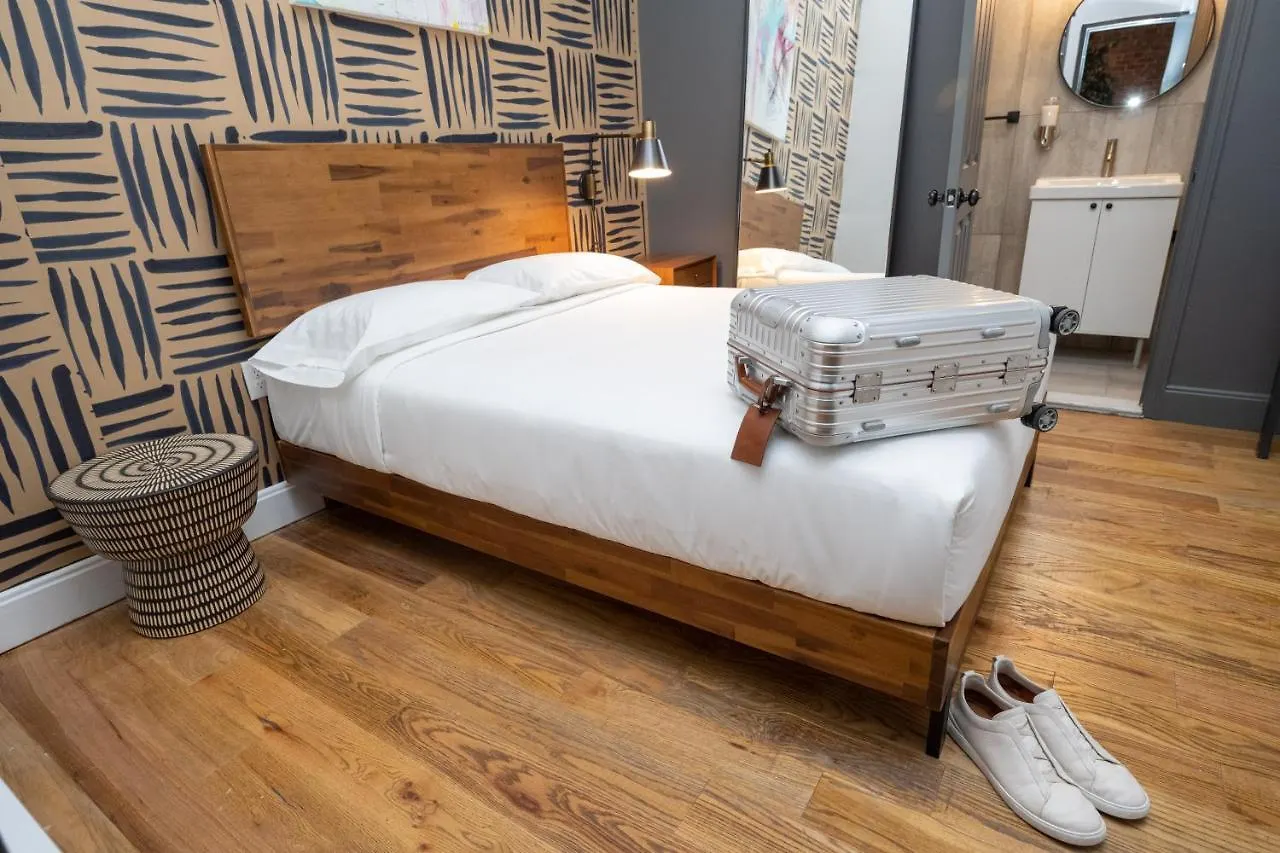
Manhattan's 3-star hotel segment covers an unusually wide spectrum - from lively lifestyle properties on the Lower East Side to extended-stay suites near Penn Station. These four hotels sit in four distinct Manhattan sub-neighborhoods (Lower East Side, Times Square, Chelsea, and Flatiron), which means location strategy matters as much as the property itself. This guide cuts through the noise to help you decide which hotel matches your itinerary, budget, and tolerance for Midtown crowds.
What It's Like Staying in Manhattan
Manhattan's street grid puts most major attractions within a few subway stops, but the difference between walking distance and transit distance changes everything depending on which neighborhood your hotel sits in. The subway runs 24 hours and is the fastest way to move between districts - a trip from the Lower East Side to Times Square takes around 20 minutes by train. Crowds on Midtown streets, especially between 42nd and 57th, peak hard between 11 a.m. and 9 p.m., while neighborhoods like Chelsea and the Flatiron District maintain a noticeably calmer street-level rhythm. Travelers who plan to cover multiple boroughs benefit most from a Manhattan base, while those focused purely on outer-borough dining or culture might find Brooklyn or Queens a cheaper and quieter anchor.
Pros:
- * 24-hour subway access connects all four hotels to key sites like Central Park, the 9/11 Memorial, and Broadway with no need for taxis
- * Manhattan concentration of restaurants, museums, and live entertainment means more can be done on foot or in short transit hops than in any other New York borough
- * Hotel options span lifestyle, extended-stay, and budget-oriented formats, giving travelers genuine choice without leaving the island
Cons:
- * Street noise is constant in Midtown and near entertainment districts - high-floor rooms or side-street properties make a real difference for light sleepers
- * Room sizes at 3-star Manhattan properties are typically compact, often under 250 sq ft for standard rooms
- * Parking is expensive and largely impractical - most guests relying on a car will face significant daily charges even at hotels that offer it
Why Choose 3-Star Hotels in Manhattan
Three-star hotels in Manhattan occupy the practical middle ground between budget hostels and full-service luxury properties - you get private rooms, consistent amenities, and recognizable brand standards without paying for concierge floors or rooftop spas. Rates at this tier typically run around 40% lower than comparable 4-star options in the same neighborhood, though Times Square proximity still commands a premium even within this category. Room sizes vary: extended-stay formats like suite hotels include kitchenettes and dining areas that add real square footage, whereas lifestyle-branded properties may prioritize design and social spaces over bedroom square footage. The trade-off in Midtown-adjacent 3-star properties is predictable - tighter rooms and higher ambient noise in exchange for walkable access to Broadway, Rockefeller Center, and the main Midtown transport hubs.
Pros:
- * Suite and kitchenette-equipped options reduce daily food costs significantly for stays of 3 or more nights
- * Established brand 3-star properties (Marriott, Hilton, Moxy/Marriott) carry loyalty programs that offer points, direct-booking perks, and mobile check-in
- * More sub-neighborhood variety than the luxury tier - 3-star stock exists across Chelsea, Flatiron, LES, and Times Square, not just Midtown corridors
Cons:
- * Standard rooms in non-suite formats can feel very small by non-NYC standards - double rooms with two beds leave minimal floor space
- * Properties near Times Square deal with significant foot traffic and noise on street-facing sides, particularly on weekends
- * Limited food and beverage options on-site compared to full-service hotels - most 3-star properties offer a bar or basic breakfast but no full restaurant dining
Practical Booking & Area Strategy in Manhattan
Sub-neighborhood positioning in Manhattan changes the daily feel of a stay more than the hotel itself. West 48th Street near Times Square puts you within a 5-minute walk of Rockefeller Center, Radio City Music Hall, and the major N/Q/R/W/1/2/3 subway interchange - convenient but loud. The Chelsea cluster around West 26th Street is a 10-minute walk to Penn Station (with access to NJ Transit and the Long Island Rail Road) and a short cab or subway ride to Hudson Yards and the High Line. The Flatiron District, particularly around 21st and 22nd Street, gives quieter streets with fast access to the 6, N, R, and W trains at 23rd Street. The Lower East Side - served by the F/M/J/Z lines at Delancey/Essex - is the most local-feeling base of the four, with direct subway access to Brooklyn and a 20-minute train to Midtown. Book at least 6 weeks ahead for summer (June-August) and the Thanksgiving-to-New Year window, when Manhattan 3-star rates spike and availability at well-reviewed properties drops fast. Shoulder months like March, April, and November offer the best combination of manageable crowds and competitive nightly rates.
Best Value Stays
These two properties offer the strongest combination of price, amenity depth, and sub-neighborhood positioning for travelers focused on value without compromising location or practicality in Manhattan.
-
1. The Flat Nyc
Show on map


Just a few rooms left at the best rate!
fromUS$ 169
-
2. Moxy Nyc Lower East Side
Show on map


Just a few rooms left at the best rate!
fromUS$ 204
Best Premium Stays
These two Hilton and Marriott-branded properties offer expanded room formats, kitchenette infrastructure, and Midtown or Chelsea positioning that justify a higher nightly rate for travelers who want more space or extended-stay functionality.
-
3. Towneplace Suites By Marriott New York Manhattan/Chelsea
Show on map


Hurry – almost gone at this price!
fromUS$ 164
-
4. Home2 Suites By Hilton New York Times Square
Show on map


Rooms filling fast – secure the best rate!
fromUS$ 169
Smart Travel & Timing Advice for Manhattan
September and October represent the strongest booking window for Manhattan hotels: crowds thin after the Labor Day summer peak, temperatures drop into the 60s°F, and hotel rates ease compared to the July-August ceiling. The holiday season from late November through New Year's Eve drives rates back up sharply - Times Square properties in particular see near-full occupancy during the New Year countdown period, and booking last-minute in December is a reliable way to overpay. Book at least 6 weeks out for summer and holiday-window travel; January through early March offers the most pricing flexibility in the Manhattan 3-star market, with rates at their annual low despite cold weather. For length of stay, three to four nights allows enough time to move between Manhattan's distinct districts without feeling rushed - any less and the logistics of moving through Midtown crowds eat into sightseeing time. Extended-stay properties like TownePlace Suites and Home2 Suites are priced with longer stays in mind and become significantly more cost-efficient beyond the third night once food savings from in-room kitchenettes are factored in.


