Oaxaca's Historic Centre is one of Mexico's most walkable UNESCO-listed urban cores, where cobblestone streets connect baroque churches, mezcal bars, and open-air markets within a compact, pedestrian-friendly grid. Couples choosing to stay here trade space and quiet for direct, on-foot access to the city's most concentrated cultural and culinary experiences - no taxis required for most evenings out.
What It's Like Staying in Oaxaca Historic Centre
The Historic Centre is compact enough that most major landmarks sit within a 30-minute walk of any hotel inside the district - the Zócalo, Templo Santo Domingo, Macedonio Alcalá pedestrian street, and the Ethnobotanical Garden are all reachable on foot. Noise is a real variable: weekend calendas (traditional wedding parades) and live bands on Alcalá can carry into nearby rooms past midnight, while weekday mornings are noticeably calmer. Oaxaca International Airport sits around 7 km away, making the centre accessible without a long transfer, though traffic near the Zócalo and the market blocks on Calle Las Casas and 20 de Noviembre can slow daytime movement considerably.
Pros:
- * Zero-taxi evenings: restaurants, mezcalerías, and cultural venues on Alcalá and around Santo Domingo are all walkable from any in-centre hotel
- * Cultural density: the Centro Fotográfico Álvarez Bravo, MACO museum, and Teatro Macedonio Alcalá are within a few blocks of each other
- * Colonial streetscape creates an ambient backdrop for evening walks that few Mexican city centres match
Cons:
- * Weekend parade noise and street vendors around the Zócalo can disrupt light sleepers, especially in rooms facing main streets
- * Free private parking is rare inside the tightest Historic Centre blocks; most hotels charge extra or use off-site lots
- * High-season crowds during Guelaguetza (July) and Día de Muertos (November) make foot traffic genuinely dense on the main corridors
Why Choose Romantic Hotels in Oaxaca Historic Centre
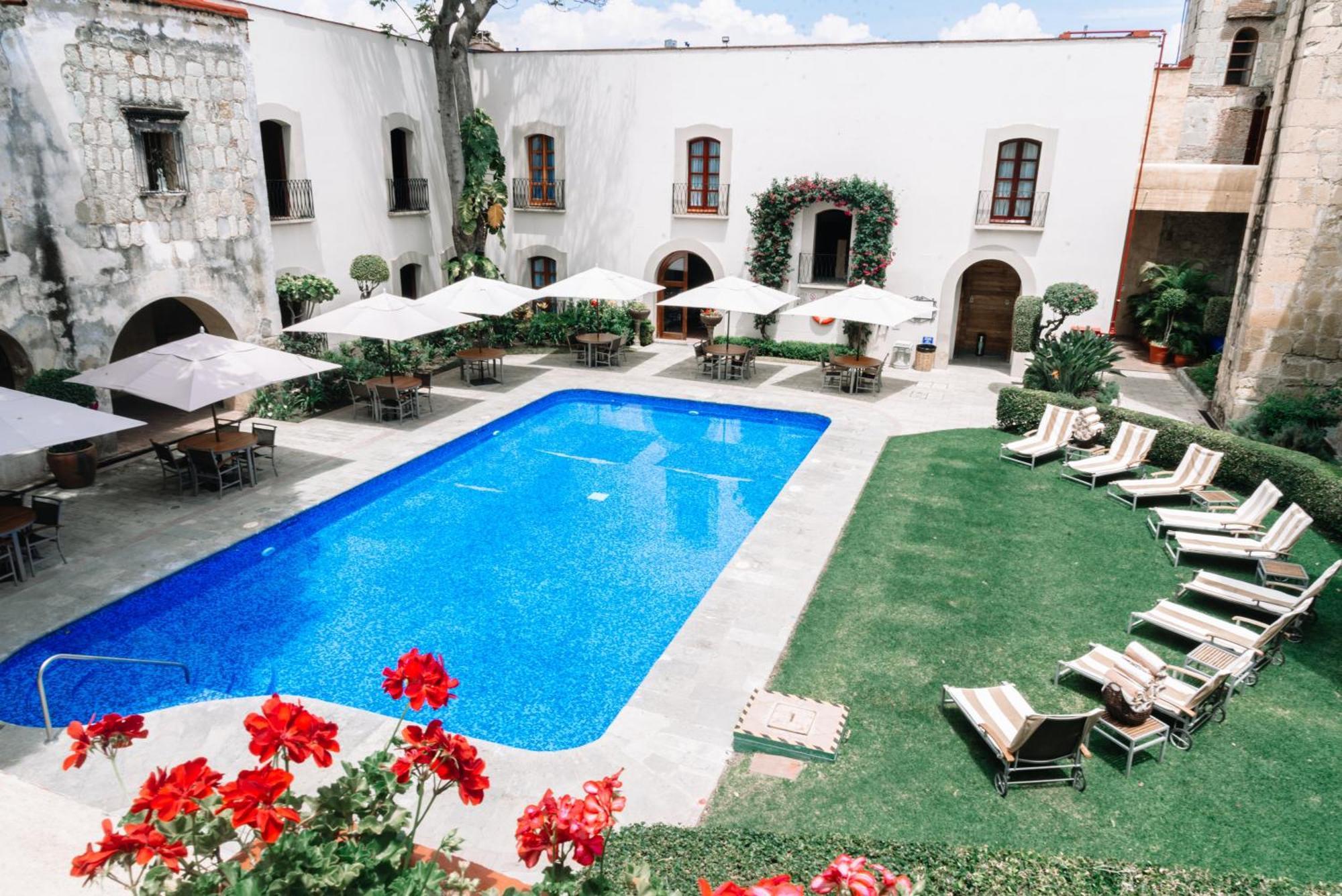
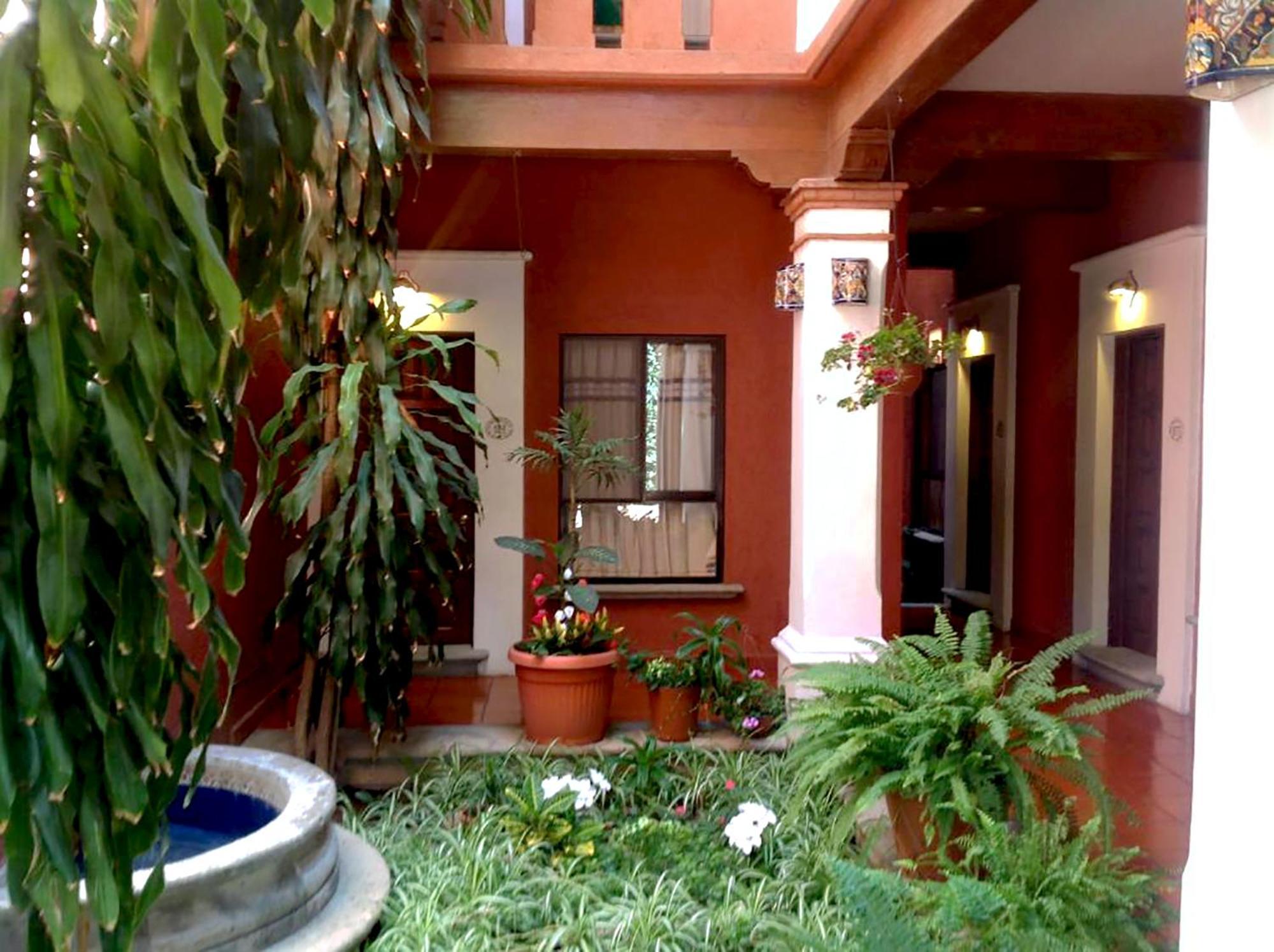
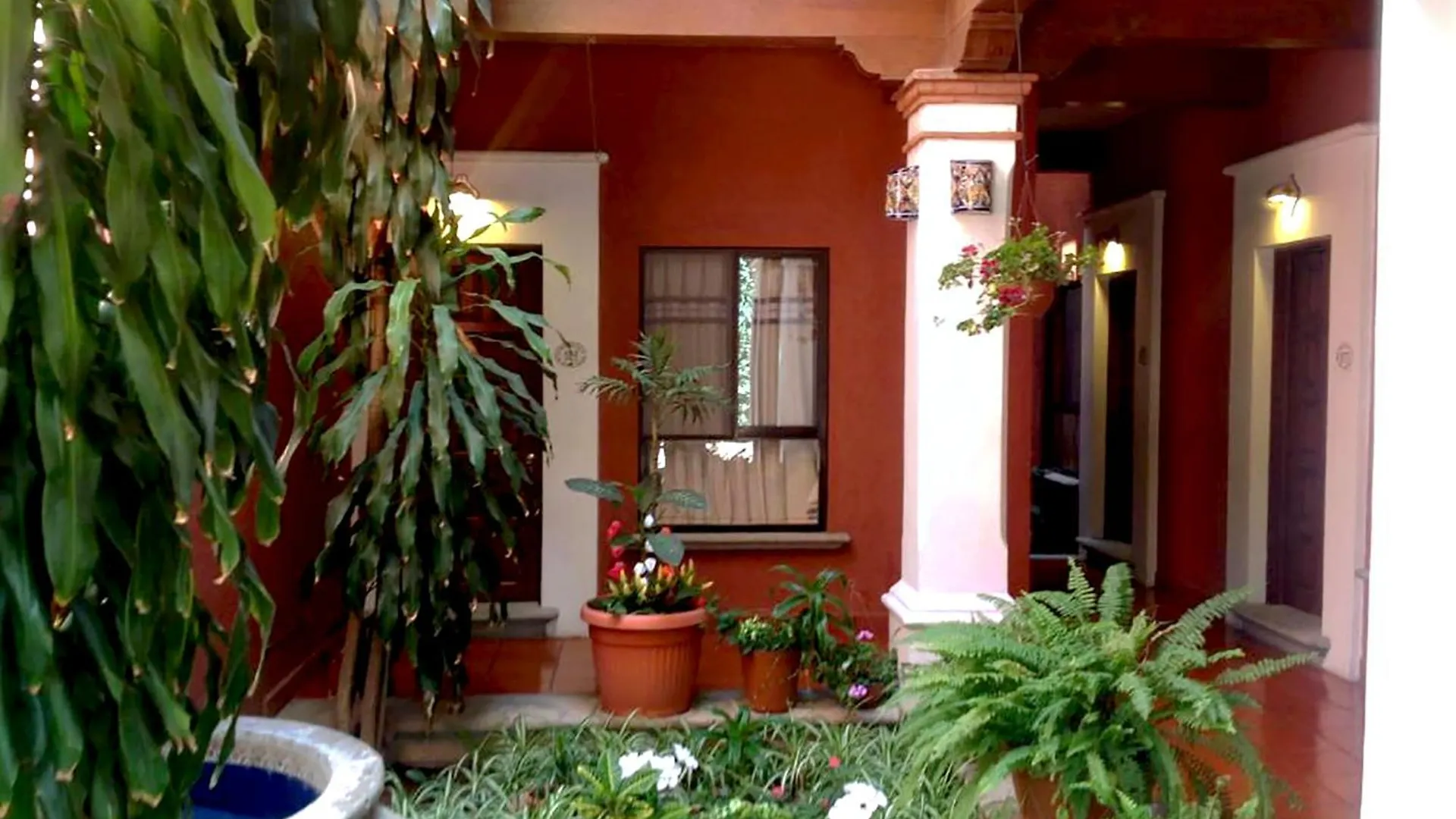
Romantic hotels in the Historic Centre tend to occupy restored colonial mansions and former convents, giving them interior courtyards, stone arches, and tile-floored rooms that purpose-built modern hotels in outer barrios simply cannot replicate. The trade-off is room size: colonial conversions prioritise atmosphere over square footage, and suites in this category can run around 40% more per night than equivalent-star properties a few kilometres outside the centre. Couples who book here are paying for the ambient architecture and the ability to step straight from their hotel into the most atmospheric streets in Oaxaca - not for expansive layouts or resort-scale facilities.
Pros:
- * Colonial architecture - original stone walls, inner patios, and carved doorways - delivers an atmosphere that modern hotels outside the centre cannot reproduce
- * On-foot access to the best dinner tables in Oaxaca, including the fine-dining cluster around Calle Macedonio Alcalá and Calle Murguía
- * Romantic hotels here often include in-room minibars, daily turndown service, and rooftop or courtyard breakfast settings
Cons:
- * Room dimensions in converted colonial properties are frequently smaller than in modern hotels at the same price point
- * Upper floors are almost always stair-only access - relevant for guests with mobility considerations
- * Street-facing rooms can pick up noise from the Zócalo area, particularly on Friday and Saturday evenings
Practical Booking & Area Strategy
The two most strategically positioned streets for romantic stays are Calle Macedonio Alcalá (the pedestrian artery linking the Zócalo to Santo Domingo) and the blocks immediately surrounding the Templo Santo Domingo, where soundproofing in converted-convent hotels tends to be better than on market-adjacent streets. Quinta Real Oaxaca sits just 150 metres from Santo Domingo, placing couples within easy reach of the gallery district, the Ethnobotanical Garden entrance on Reforma, and the mezcal bars of Jalatlaco. Hotel Maela's position within 400 metres of the city centre keeps nightly costs lower while still offering walking-distance access to the Zócalo and Cathedral. Book at least 3 months ahead for July (Guelaguetza) and late October-early November (Día de Muertos), when occupancy in the Historic Centre reaches near-capacity and prices spike significantly. For the quietest, most affordable romantic stay, late January through early March offers dry weather, thin crowds, and competitive rates across both properties.
Hotel Comparison
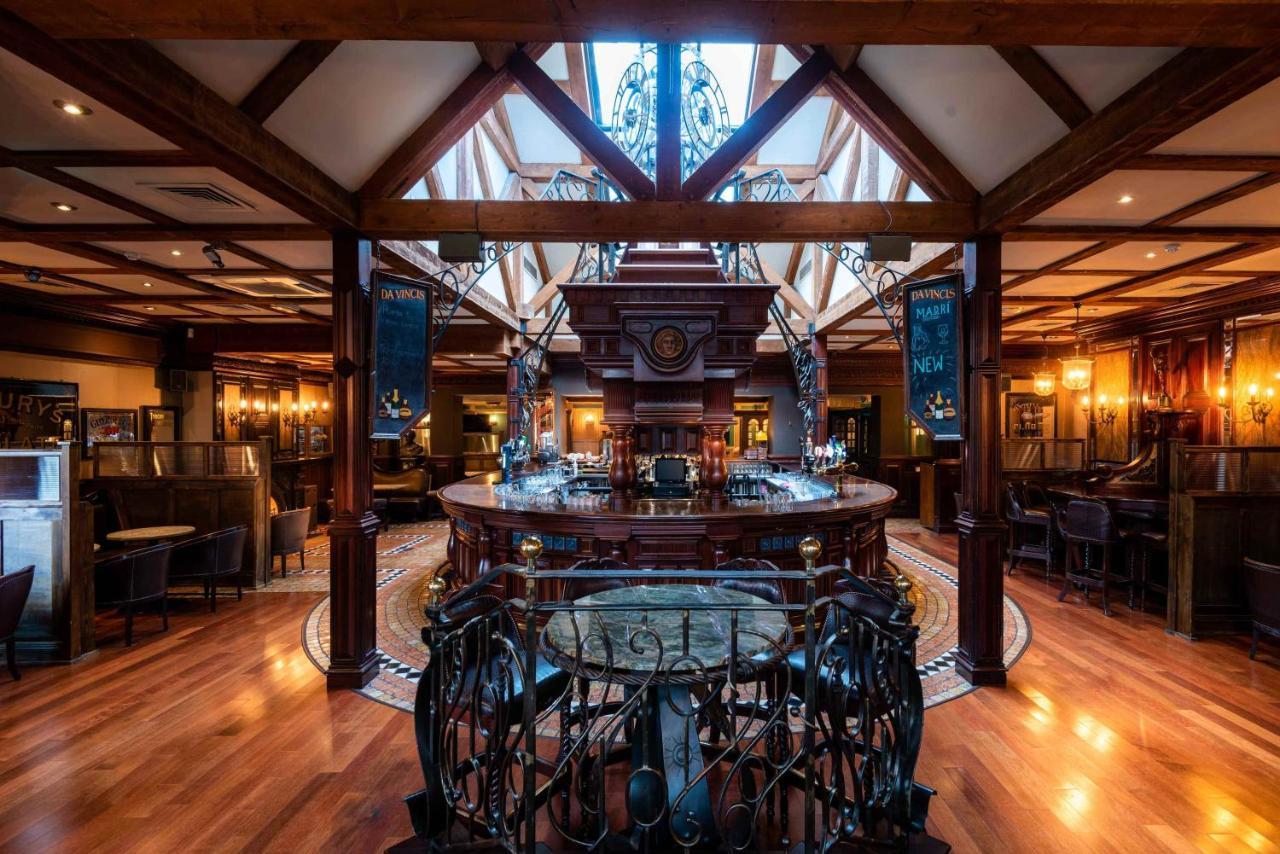
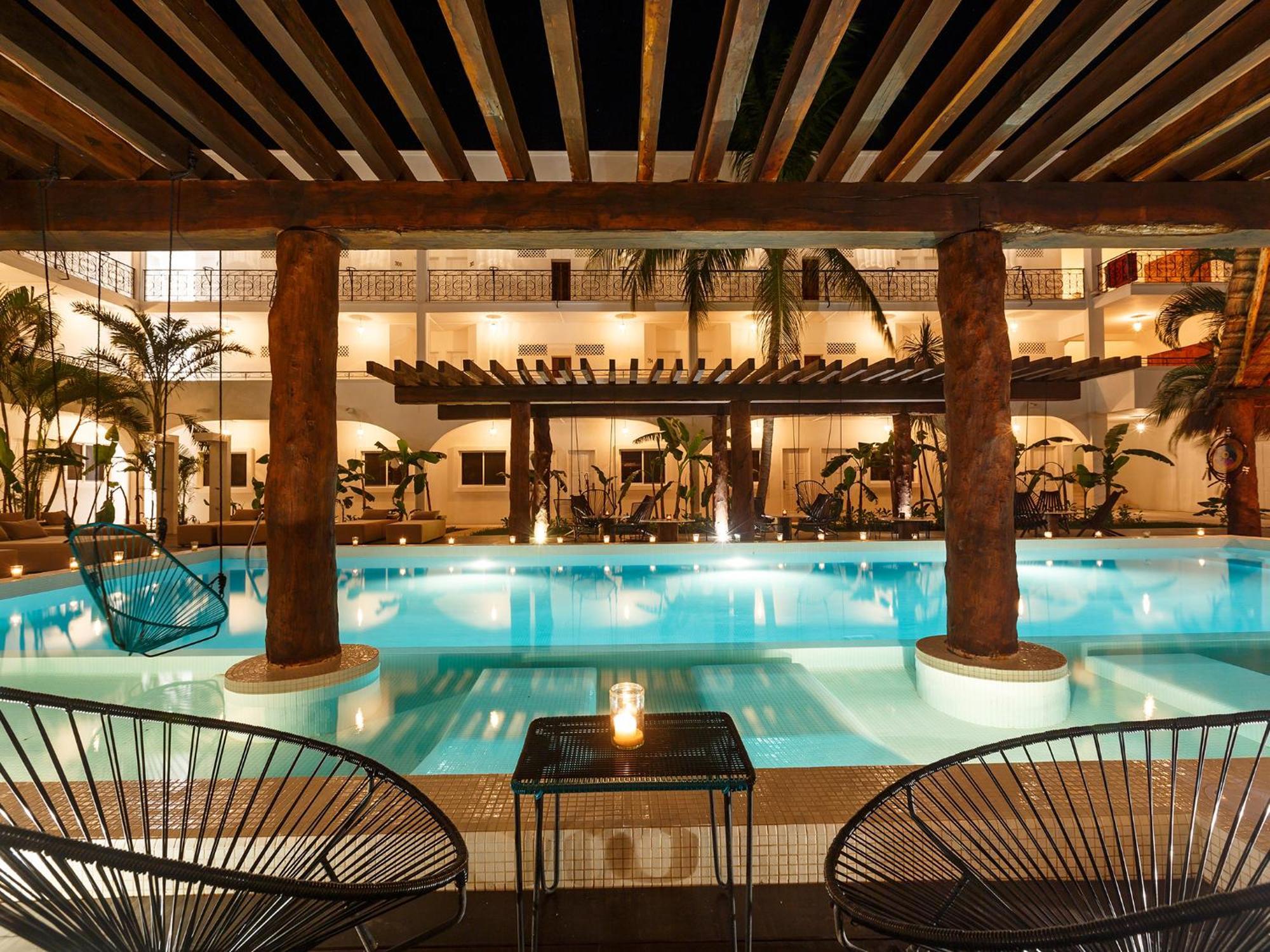
These two properties cover distinct positions in the romantic hotel market in the Historic Centre - one offers colonial-value accessibility at 3-star pricing, the other delivers UNESCO-listed luxury inside a genuine 16th-century convent. Both are walkable to Oaxaca's top cultural and dining destinations.
-
1. Hotel Maela
Show on map


 Check-infrom 15:00 until 18:00Check-outfrom 11:00 until 12:00
Just a few rooms left at the best rate!
fromMXN 506
-
2. Quinta Real Oaxaca
Show on map


 Check-infrom 15:00 until 23:59Check-outuntil 12:00
Hurry – almost gone at this price!
fromMXN 2022
Smart Travel & Timing Advice for the Historic Centre
The Historic Centre has two distinct peak windows that directly affect both pricing and atmosphere for couples. Guelaguetza in July - held at the Cerro del Fortín amphitheatre but centred socially on the Historic Centre - brings the highest hotel rates of the year and requires bookings at least 3 months in advance. Día de Muertos (November 1-2) is equally booked out and equally atmospheric, with the Zócalo and surrounding streets filling with altars, marigolds, and candlelit processions. For couples seeking romance without the crowds, late January through March is the Historic Centre's sweet spot: dry season conditions, minimal precipitation, cooler evenings, and noticeably lower rates than festival months. A stay of 4 nights is generally enough to cover the centre's key experiences at a relaxed pace - including a day trip to Monte Albán - without the itinerary feeling rushed. Last-minute bookings within the Historic Centre are viable in May, when shoulder season keeps occupancy lower, but carry real risk for July and November dates.